How to Plan Your Visit to Hatta Mountain in Dubai
Getting the Most Out of a Trip to Hatta Mountain
Hatta Mountain in Dubai offers a complete change of pace from the city's skyscrapers and shopping malls. This historic enclave, nestled in the Hajar Mountains, rewards visitors with rugged scenery, freshwater pools, and a chance to see a side of the UAE that feels centuries removed from the modern metropolis. But a successful trip requires a bit of planning. The terrain is hilly, the sun is strong, and the best experiences are spread across several distinct sites. Knowing what to see, when to go, and how to get around makes the difference between a rushed outing and a genuinely relaxing day.
Decide What Kind of Experience You Want
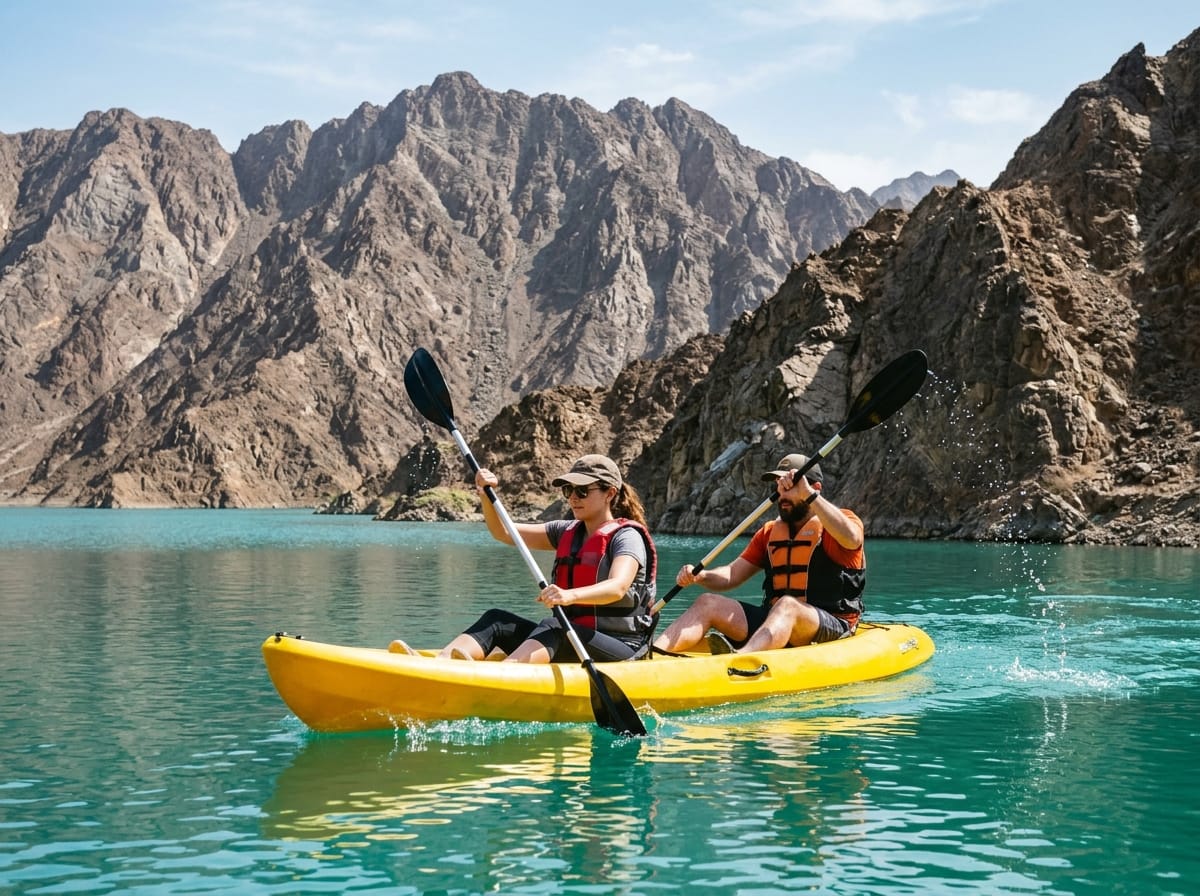
Before looking at maps or timings, ask yourself what draws you to Hatta. The area is not a single attraction but a collection of outdoor and cultural spots. Some visitors come for the kayaking on the turquoise waters of Hatta Dam. Others want to explore the restored Hatta Heritage Village, with its traditional stone houses and old fort. Adventure seekers head straight for the Hatta Mountain Bike Trail, one of the region's most popular cycling routes. Families often mix a short hike with a picnic at Hatta Hill Park or a splash in the Hatta rock pools. Your choice of activities will shape your route, the gear you bring, and how much time you need. If you are unsure, a good starting point is to visit the Hatta Fort and Heritage Village first, then decide whether you feel like a paddle on the dam or a walk along the wadi.
Consider the Season and Time of Day
Hatta sits at a higher elevation than central Dubai, so temperatures are generally a few degrees cooler, but that still means intense heat from late spring through early autumn. The best months are November through March, when daytime highs are comfortable for walking and cycling. In summer, aim for an early start, arriving by 7 or 8 am, and plan to finish outdoor activities before midday. The afternoon sun can be relentless, and many of the hiking and biking trails have limited shade. Winter afternoons are pleasant, but they also draw larger crowds, especially on weekends. If you prefer quiet surroundings, a weekday visit in the cooler months is ideal.
Plan Your Route Between the Key Sites
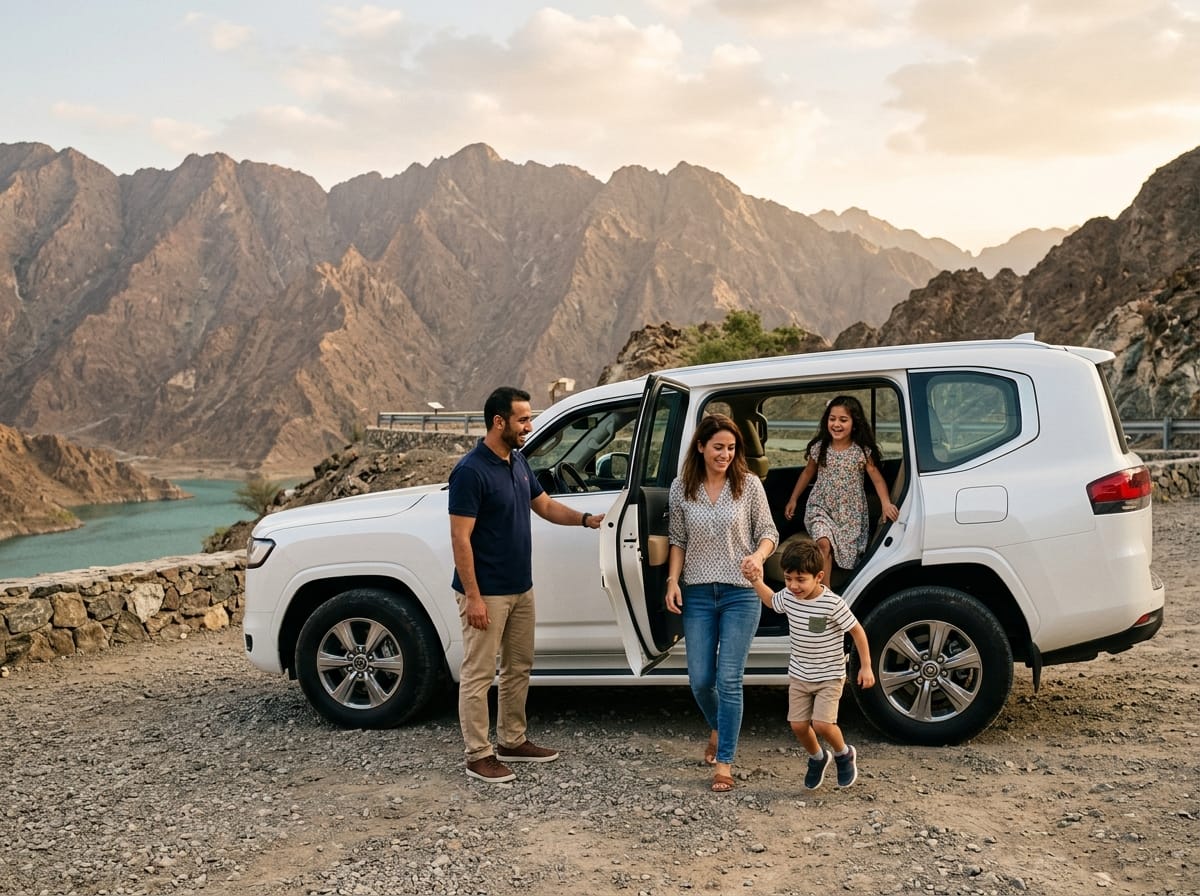
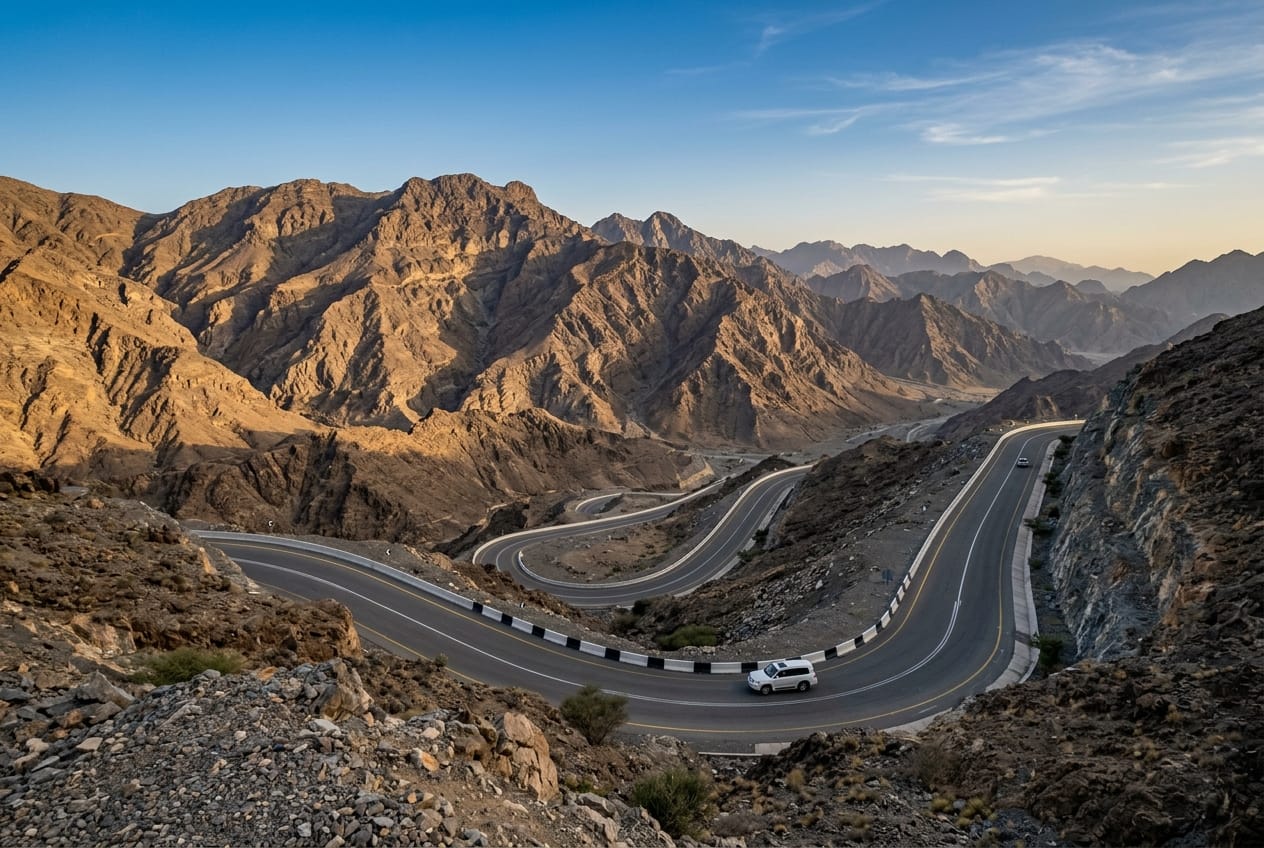
Hatta Mountain in Dubai is not a compact area. The main sights are strung along a few roads, and driving between them takes a few minutes. Start by mapping out a logical sequence. A typical morning route begins at the Hatta Fort and Heritage Village, which opens early, then moves to the Hatta Dam for kayaking or a photo stop. From there, you can drive to Hatta Wadi Hub, the adventure sports centre that also serves as the start point for the mountain bike trails and some walking paths. If you have time, a short detour to Hatta Hill Park offers shaded picnic tables and a playground for children. The Hatta rock pools are a bit farther along the wadi and require a short walk from the road, so factor in that extra time. The Hatta Mountain Tour Dubai official site provides a map and suggested itineraries that help you see how these spots connect. Looking at that resource before you set out saves you from doubling back or missing something that interests you.
What to Watch at Each Stop
At the Heritage Village, take time to walk through the reconstructed houses and the old souk. The fort nearby has a small museum that explains the area's history as a stop on the trade route between the coast and the interior. The dam is photogenic from the road, but the best views come from the walkway along its edge. If you plan to kayak, book ahead in peak season, as the rental slots fill up. The mountain bike trail is marked for different skill levels; beginners should stick to the green and blue routes. The rock pools are natural depressions in the wadi bed, and they can hold water year-round, but check recent conditions online before hiking to them after a dry spell. Each site has its own character, so rushing through all of them in one day can feel exhausting. Pick two or three and do them well.
Pack for the Environment
The mountain climate can fool you. Mornings start cool, especially from December to February, and the wind in the wadi can feel chilly. By late morning, the sun comes on strong. Layered clothing is the answer: a light jacket or fleece for early hours, then a sun hat and sunglasses as the day warms. Sturdy shoes are essential for the rocky trails and uneven ground around the heritage sites. Bring at least one litre of water per person, more if you plan to hike or cycle. Snacks are useful because the food options inside the heritage area are limited, though there are a couple of cafés near the dam and at the Wadi Hub. A small backpack to carry your water, a camera, and a spare layer keeps your hands free. Sunscreen is non-negotiable, even in winter, because the reflection off the mountains intensifies UV exposure.
Book Key Activities in Advance
Kayak rentals, mountain bike hire, and guided tours of the heritage village all have limited capacity. During school holidays and public holidays, they can sell out days ahead. The Hatta Mountain Tour Dubai official site lists the operators and their contact details, so you can check availability and book directly. If you are travelling with a group, it is worth reserving your slots at least a week in advance. For the bike trails, you can bring your own bike, but you still need a permit from the Wadi Hub. The permit is free but requires registration online. Doing this paperwork at home saves you standing in line on the day.
When to Give Yourself More Time
A single day in Hatta feels tight if you want to kayak, hike, and visit the heritage sites. Many visitors find that an overnight stay, in one of the lodges or campsites near the dam, allows them to experience sunset and sunrise over the mountains without rush. If you only have a day, focus on one main activity and one cultural stop. That rhythm leaves space for a relaxed lunch and a wander without clock-watching. Trying to do everything in six hours usually leads to tired legs and a sense of having only glanced at each place.
Watch for the Small Details
Roads in Hatta are well maintained, but phone reception can be patchy in the deeper wadis. Download offline maps and screenshots of your bookings before you leave the main highway. The area is also home to wildlife, including the occasional Arabian gazelle and a variety of bird species. Keep a respectful distance and do not feed any animals. The rock pools look inviting for a swim, but the water temperature is often colder than it appears, and the rocks can be slippery. Wade in carefully and never dive in, as the depth varies unpredictably. Lastly, respect the heritage village rules: no climbing on the old structures, and no littering. The site is a living museum, and preserving it matters for future visitors.
Choosing the right approach to Hatta Mountain in Dubai is really about matching your interests to the terrain. The landscape rewards those who prepare for its conditions and who take the time to understand its layout. Whether you come for the history, the water sports, or the quiet trails, a little planning turns a good day out into a memorable one.